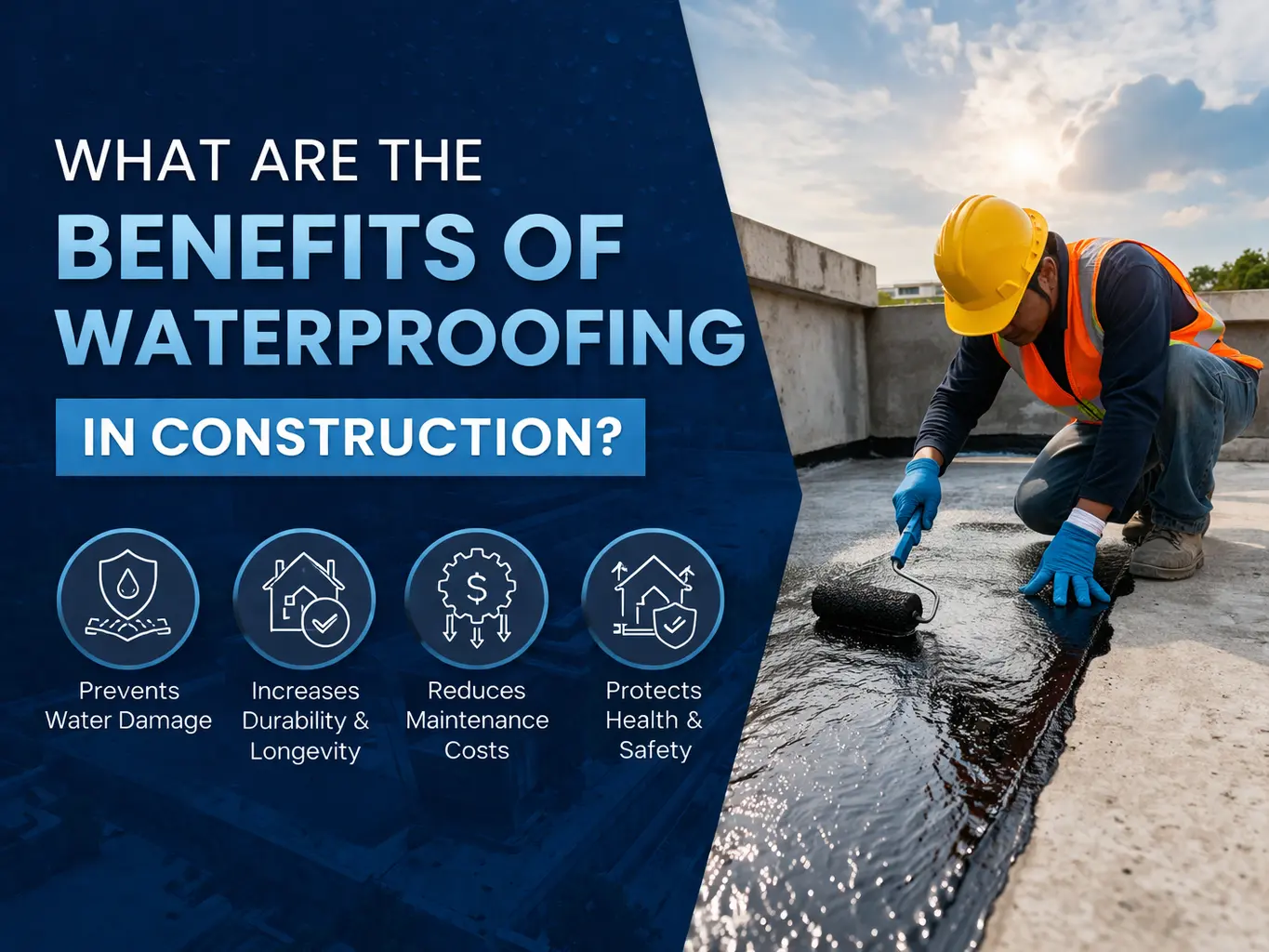
Water damage is one of the most common and costly issues in buildings. Whether it’s a residential home or a commercial structure, water seepage can lead to serious structural and health problems. This is why understanding what are the benefits of waterproofing in construction is crucial for every property owner.
Waterproofing is not just an additional feature—it is a necessity that ensures durability, safety, and long-term value of your property. In this blog, we will explore the key benefits of waterproofing and why it is essential for your home.
What Is Waterproofing in Construction?
Before diving into the benefits, let’s understand the concept.
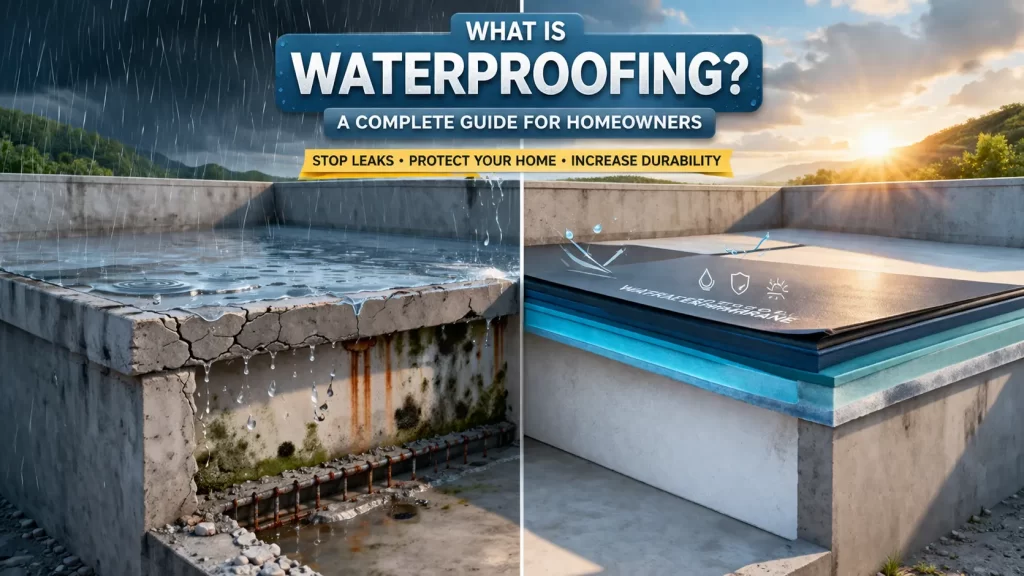
Waterproofing in construction refers to the process of making a building resistant to water penetration. It involves using specialized materials and techniques to prevent water from entering structures such as roofs, basements, walls, and bathrooms.
This process creates a protective barrier that shields the building from moisture and water damage.
Why Waterproofing Is Important in Construction
Buildings are constantly exposed to environmental factors like rain, humidity, and groundwater. Without proper waterproofing, these elements can cause:
- Structural deterioration
- Mold growth
- Paint damage
- Weak foundations
- Health hazards
That’s why knowing what are the benefits of waterproofing in construction helps you make better decisions for your property.
Top Benefits of Waterproofing in Construction
1. Prevents Water Leakage and Seepage
The primary benefit of waterproofing is protection against water leakage. It prevents water from entering walls, ceilings, and floors, ensuring a dry and comfortable living environment.
2. Enhances Structural Strength
Water can weaken the structure of a building over time. Waterproofing protects the foundation and prevents cracks, ensuring long-term stability.
3. Increases Building Lifespan
One of the major answers to what are the benefits of waterproofing in construction is durability. Waterproofing extends the life of a building by protecting it from moisture damage.
4. Prevents Mold and Mildew Growth
Damp conditions promote mold growth, which can cause health problems such as allergies and respiratory issues. Waterproofing keeps your home dry and safe.
5. Reduces Maintenance and Repair Costs
Repairing water damage can be expensive. Waterproofing minimizes the need for frequent repairs, saving money in the long run.
6. Improves Indoor Air Quality
Moisture can lead to poor indoor air quality. Waterproofing eliminates dampness, creating a healthier living environment.
7. Increases Property Value
A well-maintained, waterproofed property is more attractive to buyers. It adds value and makes your property easier to sell.
8. Protects Interior Finishes
Water damage can ruin paint, wallpaper, and flooring. Waterproofing preserves the aesthetic appeal of your home.
9. Prevents Electrical Hazards
Water seepage near electrical wiring can be dangerous. Waterproofing reduces the risk of short circuits and accidents.
10. Provides Long-Term Peace of Mind
Knowing your home is protected from water damage gives you confidence and peace of mind.
Areas That Require Waterproofing in Construction
To fully understand what are the benefits of waterproofing in construction, you should know where it is applied:
Roof and Terrace
These areas are exposed to rain and sunlight, making them prone to cracks and leaks.
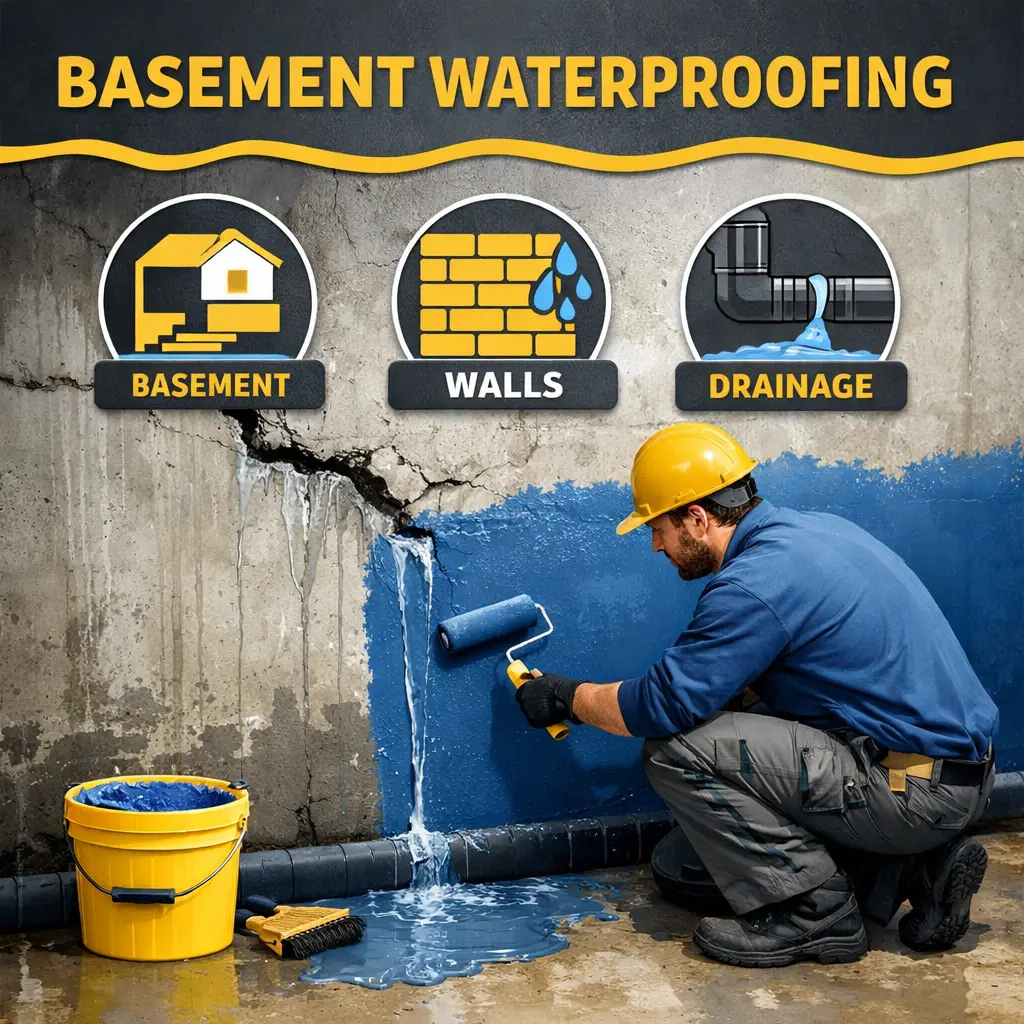
Basement
Basements are highly vulnerable to groundwater seepage.
Bathrooms
Constant water usage makes bathrooms a high-risk area.
External Walls
Rainwater can penetrate walls and cause internal dampness.
Balconies
Improper drainage can lead to water accumulation.
Types of Waterproofing Methods Used in Construction
Cementitious Waterproofing
Commonly used in bathrooms and internal areas.
Liquid Waterproofing Membrane
Forms a seamless protective layer.
Bituminous Waterproofing
Ideal for roofs and foundations.
Polyurethane Waterproofing
Highly flexible and durable.
Crystalline Waterproofing
Penetrates deep into concrete to block water.
Waterproofing vs Damp Proofing
Many people confuse these two terms.
Waterproofing:
- Completely blocks water
- Suitable for high moisture areas
Damp Proofing:
- Resists moisture only
- Suitable for low moisture areas
Understanding this difference is important when evaluating what are the benefits of waterproofing in construction.
Signs Your Building Needs Waterproofing
- Damp patches on walls
- Peeling paint
- Mold growth
- Water stains
- Musty smell
If you notice these signs, immediate waterproofing is necessary.
DIY Waterproofing vs Professional Waterproofing
DIY Waterproofing
- Low cost
- Temporary solution
- Limited effectiveness
Professional Waterproofing
- Long-lasting results
- Expert diagnosis
- Advanced materials
- Warranty-backed services
Professional waterproofing ensures better protection and reliability.
Waterproofing in Indian Climate
In India, buildings face extreme weather conditions:
- Heavy monsoon rains
- High humidity
- Intense heat
These factors increase the risk of water damage. Waterproofing is essential to protect buildings from these environmental challenges.
When Should Waterproofing Be Done?
- During construction
- Before monsoon season
- At the first sign of leakage
- During renovation
Timely waterproofing prevents major issues and reduces costs.
Common Mistakes to Avoid
- Ignoring small leaks
- Using low-quality materials
- Delaying repairs
- Choosing DIY over professional help
Avoiding these mistakes ensures effective waterproofing.
Conclusion
So, what are the benefits of waterproofing in construction? The answer is simple—it protects your home, enhances durability, improves health conditions, and saves money in the long run.
Waterproofing is not just an optional step; it is an essential part of construction that ensures your building remains strong, safe, and long-lasting.
Final Thoughts
Investing in waterproofing today can prevent costly repairs tomorrow. Whether you are building a new home or maintaining an existing one, understanding what are the benefits of waterproofing in construction helps you make smarter decisions.
Protect your home, increase its value, and enjoy a safe, dry living environment with proper waterproofing solutions.