Water damage is one of the biggest threats to any building. From damp walls and ceiling leaks to serious structural issues, water can slowly weaken your home if not controlled properly. That’s why understanding what is waterproofing is essential for every homeowner.
In this detailed guide, we will explain what waterproofing is, its importance, types, methods, benefits, and why it plays a crucial role in protecting your property.
What Is Waterproofing?
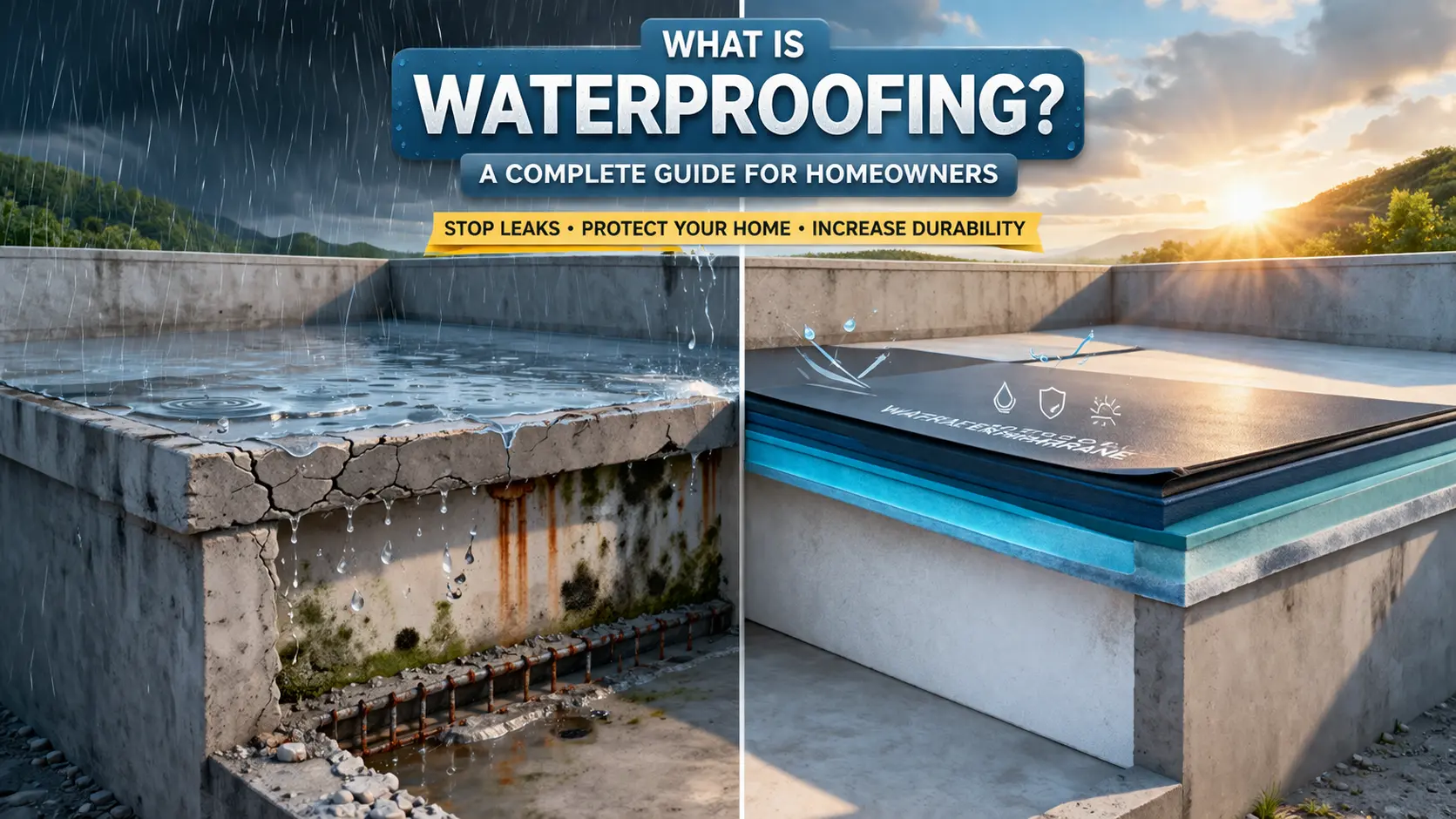
Waterproofing is the process of making a structure resistant to water penetration. It involves applying specialized materials, coatings, and techniques to prevent water from entering different parts of a building.
In simple terms, if you are asking what is waterproofing, it is a protective layer that stops water from damaging your home.
Waterproofing is commonly applied to:
- Roofs and terraces
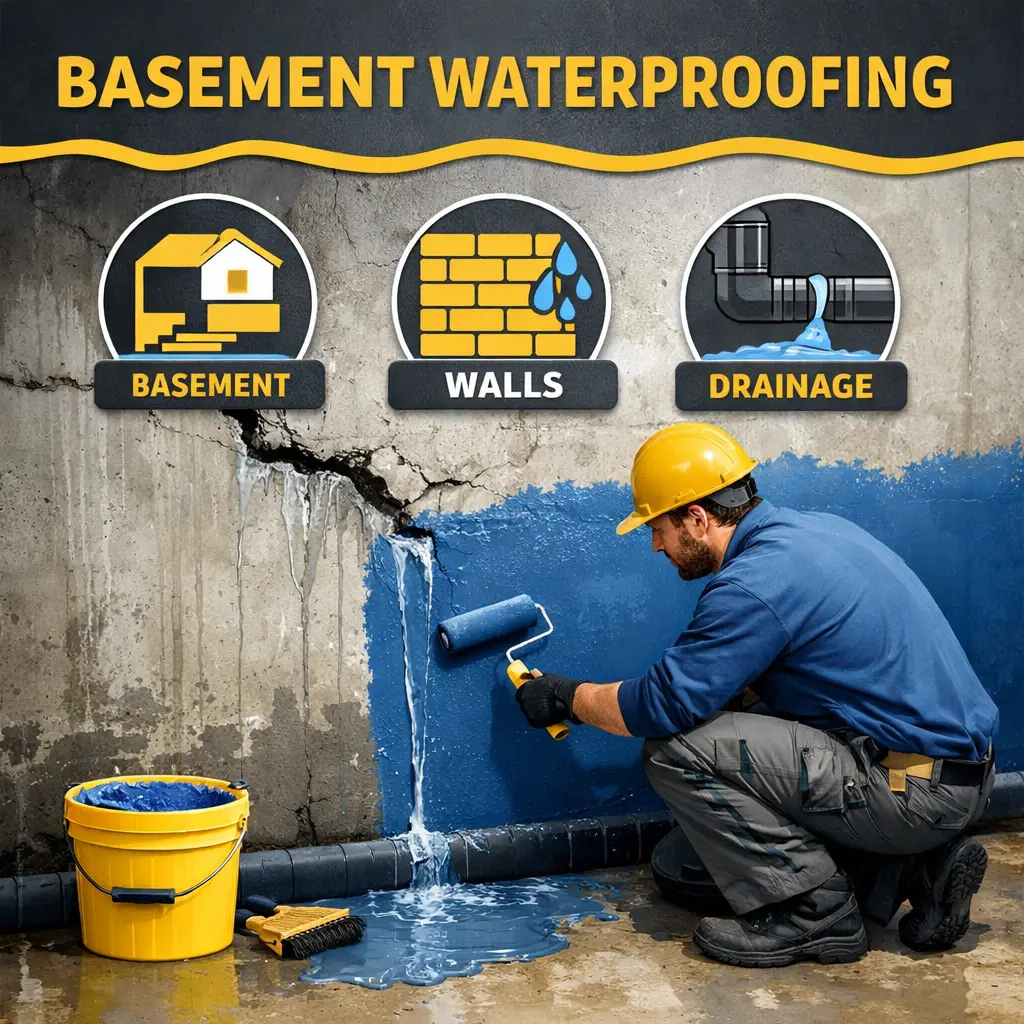
- Basements
- Bathrooms
- Walls and foundations
- Balconies and water tanks
Why Is Waterproofing Important?
Understanding what is waterproofing is incomplete without knowing its importance. Without proper waterproofing, your home can face several problems.
Common Issues Caused by Water Leakage:
- Damp walls and ceilings
- Peeling paint and plaster damage
- Mold and mildew growth
- Structural weakening
- Unpleasant odors
- Electrical risks
Waterproofing protects your home from these issues and ensures long-term durability.
How Does Waterproofing Work?
To fully understand what is waterproofing, you need to know how it works.
Waterproofing creates a barrier that prevents water from entering surfaces. This is achieved using materials that either:
- Block water penetration
- Seal cracks and pores
- Divert water away from the structure
These materials bond with surfaces and form a protective shield against moisture.
Types of Waterproofing
There are several methods used in waterproofing, depending on the area and type of problem.
1. Cementitious Waterproofing
This is one of the simplest methods. It uses cement-based materials and is commonly applied in bathrooms and internal wet areas.
2. Liquid Waterproofing Membrane
A liquid coating is applied to form a seamless, rubber-like membrane that prevents water seepage.
3. Bituminous Waterproofing
This method uses bitumen (asphalt-based material) and is widely used for roofs and foundations.
4. Polyurethane Waterproofing
Highly flexible and durable, this method is suitable for exposed surfaces and areas prone to movement.
5. Crystalline Waterproofing
This technique penetrates deep into concrete and blocks water pathways permanently.
Areas That Require Waterproofing
When learning what is waterproofing, it’s important to know where it is needed most.
1. Roof and Terrace
These areas are directly exposed to rain and heat, making them highly vulnerable.
2. Basement
Basements are prone to groundwater seepage and require strong waterproofing solutions.
3. Bathrooms
Continuous water usage makes bathrooms a high-risk area for leakage.
4. External Walls
Rainwater can seep through cracks and damage internal walls.
5. Balconies
Improper drainage can lead to water accumulation and seepage.
Signs You Need Waterproofing
Not sure if your home needs waterproofing? Look for these signs:
- Damp patches on walls
- Peeling paint or wallpaper
- Water stains on ceilings
- Musty smell
- Mold growth
- Visible cracks
If you notice any of these, it’s time to consider waterproofing immediately.
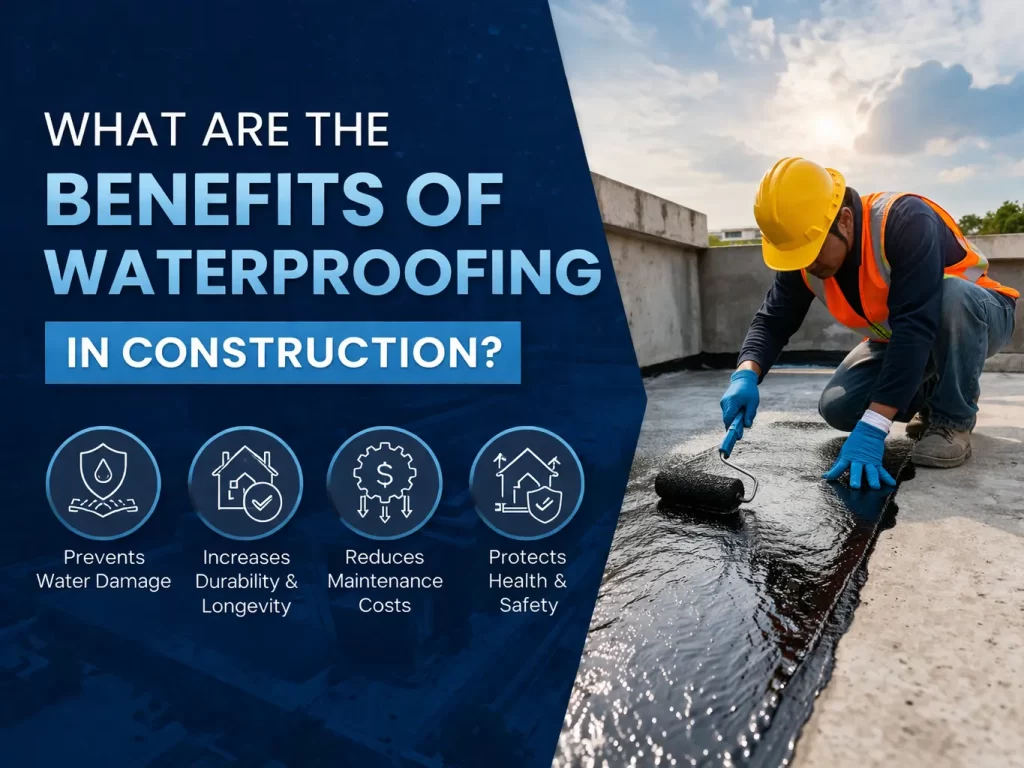
Benefits of Waterproofing
Understanding what is waterproofing also means knowing its advantages.
1. Prevents Water Damage
Waterproofing protects your home from leakage and seepage.
2. Increases Building Lifespan
It strengthens the structure and prevents deterioration.
3. Improves Indoor Air Quality
By preventing mold, it ensures a healthier living environment.
4. Saves Repair Costs
Early waterproofing avoids expensive repairs in the future.
5. Enhances Property Value
A well-maintained, leak-free home has higher market value.
Waterproofing vs Damp Proofing
Many people confuse waterproofing with damp proofing.
Waterproofing:
- Completely prevents water penetration
- Used in areas exposed to heavy water pressure
Damp Proofing:
- Resists moisture but not water pressure
- Suitable for low-moisture areas
Understanding this difference is key when learning what is waterproofing.
Common Waterproofing Materials
Various materials are used in waterproofing:
- Bitumen
- Polyurethane
- Cement-based compounds
- Acrylic coatings
- PVC membranes
Each material is chosen based on the area and type of leakage problem.
DIY Waterproofing vs Professional Waterproofing
DIY Waterproofing:
- Low cost
- Temporary results
- Limited effectiveness
Professional Waterproofing:
- Long-lasting solutions
- Proper diagnosis
- Advanced techniques
- Warranty-backed work
While DIY may seem convenient, professional waterproofing ensures better and reliable results.
Waterproofing in Indian Climate
In countries like India, weather conditions make waterproofing essential.
Challenges Include:
- Heavy monsoon rains
- High humidity levels
- Extreme temperature changes
These factors increase the risk of cracks, leakage, and dampness. Proper waterproofing helps combat these issues effectively.
When Should You Do Waterproofing?
The best time to do waterproofing is:
- During construction
- Before the monsoon season
- At the first sign of leakage
- During renovation
Timely waterproofing prevents major damage and reduces costs.
How to Choose the Right Waterproofing Solution
Choosing the right method depends on:
- Type of building
- Area affected
- Severity of leakage
- Budget
- Environmental conditions
Consulting a professional ensures you get the best solution for your needs.
Common Mistakes to Avoid
When dealing with waterproofing, avoid these mistakes:
- Ignoring small leaks
- Using low-quality materials
- Choosing DIY over professional help
- Delaying repairs
- Not maintaining waterproofed areas
Avoiding these mistakes ensures effective and long-lasting waterproofing.
Future of Waterproofing
With advancements in technology, waterproofing is becoming more efficient and eco-friendly.
New trends include:
- Smart waterproof coatings
- Eco-friendly materials
- Advanced chemical solutions
- Long-lasting membranes
These innovations make waterproofing more reliable and sustainable.
Conclusion
So, what is waterproofing? It is an essential process that protects your home from water damage, enhances durability, and ensures a safe living environment.
From roofs and basements to bathrooms and walls, waterproofing plays a critical role in maintaining the strength and value of your property. Ignoring it can lead to serious structural and health issues.
Final Thoughts
Now that you understand what is waterproofing, it’s clear that it’s not just an optional step—it’s a necessity. Investing in proper waterproofing today can save you from costly repairs and stress in the future.
Protect your home, improve its lifespan, and enjoy a safe, dry living space with effective waterproofing solutions.